Three decades after Malawi adopted democracy, women political leaders have confessed that it is not easy for a woman to rise to the helm of parties, let alone be lead it in national elections.
In separate interviews yesterday, some of the influential women in Malawian politics, notably former president Joyce Banda, United Democratic Front (UDF) patron Lilian Patel and former UTM Party secretary general Patricia Kaliati highlighted deep-rooted obstacles such as patriarchy , financial constraints and violent threats as the main barriers affecting women’s participation in political leadership.
To date, 13 hopefuls have collected presidential nomination papers for the September 16 General Election and Banda, who leads People’s Party (PP) which she founded in 2012, is the sole female candidate.
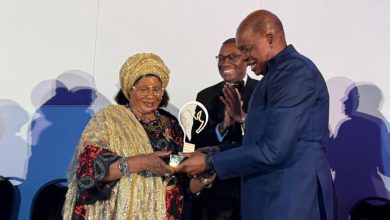
In an interview at her Area 43 residence in Lilongwe yesterday, she recounted her difficult journey to the presidential seat after former president Bingu wa Mutharika died in April 2012 and constitutional order demanded that she step in as she was a serving vice-president.

Said Banda: “It was three days of being under siege, people refusing to accept that a woman should take over… We live in Africa, not only Malawi, in a patriarchal society where it is extremely difficult for people to imagine a woman can become president.”
She said that men have more money while women do not have financial resources, making politics a far-fetched and expensive ordeal for women.
The country’s former president added that women have to think carefully before running for the top office, unlike in countries such as Uganda where there is affirmative action.
“There is also biased media coverage and violence like stripping women naked and name-calling. Such kind of things have resulted in professional women withdrawing from politics due to reputational risks,” she said.
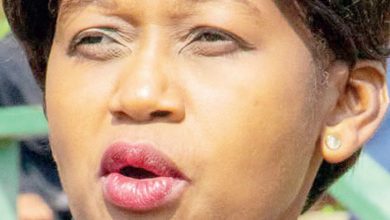
In a separate interview, Patel, who served as acting UDF president but did not contest at the party’s convention, agreed with Banda, saying funding remained the biggest barrier to women’s political aspirations.
Currently, the nomination fees for presidential candidates is K10 million, but the Malawi Electoral Commission made a provision for women aspirants to pay half the fees at all levels.
Patel said donor training programmes and similar initiatives without direct financial help were not enough because without money, women cannot fully participate in politics.
She also stressed the need to expose unfair double standards.
Said Patel: “Deep-seated biases persist and women face unfair scrutiny. Men distribute campaign handouts with impunity, but when women do the same, they are vilified. Systemic change requires society to recognise that no position is reserved for men.
“With women constituting over half the population, our potential to drive progress is undeniable as evidenced by the performance of former president Joyce Banda.”
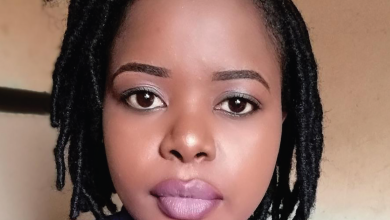
Kaliati, who vied for the UTM Party presidency at the convention last November, observed that women’s progress depend on supporting each other.
She said it is vital to mentor, champion and lift up other women, especially after getting leadership roles.
Like Patel, Kaliati also urged donors to focus on providing real resources, not just rhetoric.
She said: “To aspiring women leaders, start early and cultivate funding networks. Lead with passion. Despite hurdles, we cannot relent. Collectively, we can dismantle these barriers.”
Commenting on the concerns, NGO-Gender Coordination Network’s women in politics and decision-making thematic area chairperson Thandizo Mphwiyo said while there are relatively more women in Parliament and at local government level, the presidency remains out of reach for most women, showing deep gender inequality.
Beyond funding challenges, she said political parties need strong quotas or rewards to make them choose women candidates for all roles, including president.
Political analyst Ernest Thindwa said the country’s electoral arena tends to be particularly harsh to women who are disproportionately at the receiving end of physical and cultural violence, thereby discouraging would-be women contenders.
Banda is the only woman to have served as president after ascending to the office in line with constitutional order in April 2012. However, she lost in general elections two years later in May 2014 when she finished third to eventual winner Peter Mutharika of Democratic Progressive Party (DPP).
Bingu had picked Banda as running mate on a DPP ticket in 2009. However, barely two years into office, she fell out of favour before the party expelled her for purportedly forming “parallel structures”.